
What Is a C10 Valve?
A C10 valve is a compact self-closing cylinder valve commonly used on small portable calibration gas cylinders. It allows gas to be released in a controlled way when connected to a compatible regulator, adaptor, or gas delivery device, and closes when disconnected.
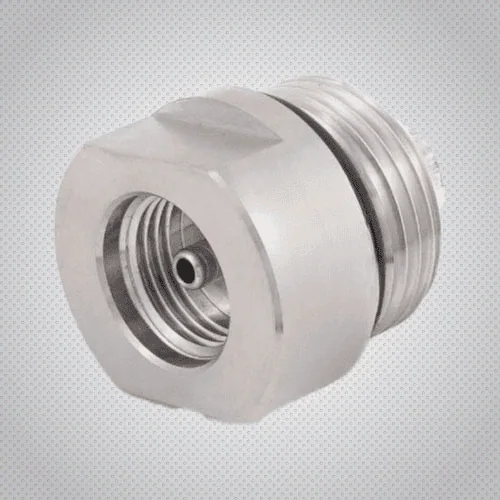
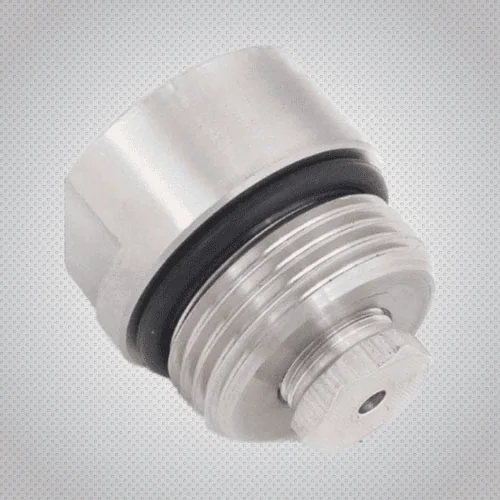
C10 valves are widely used in calibration gas and gas detection applications because they support portable cylinder formats, controlled gas delivery, and practical use in field calibration, bump testing, laboratory gas packages, and specialty gas sampling.
For gas suppliers, engineers, technical buyers, and distributors, choosing the correct C10 valve is not only about thread size. The correct model depends on the cylinder type, gas mixture, working pressure, valve material, seal compatibility, outlet connection, refillable or non-refillable use, and any required safety features.
Where Are C10 Valves Used?
C10 valves are most commonly used on small calibration gas cylinders and portable specialty gas packages.
Typical applications include:
-
Portable calibration gas cylinders
-
Gas detector bump testing cylinders
-
Refillable calibration gas cylinders
-
Non-refillable calibration gas cylinders
-
Specialty gas sample cylinders
-
Laboratory gas packages
-
Environmental monitoring gas cylinders
-
Marine gas detection calibration
-
Industrial safety gas detection systems
-
Process gas analysis and test gas applications
Because these cylinders are often used in safety-critical environments, the valve must be correctly matched to the gas, cylinder, regulator, pressure, and application.
Why Are C10 Valves Common in Calibration Gas?
Calibration gas cylinders are used to check, calibrate, or bump test gas detection instruments. These cylinders are often compact and portable, so the valve needs to be small, reliable, and compatible with regulators or flow control devices.
A self-closing C10 valve helps reduce uncontrolled gas release when the valve is not connected to the correct gas delivery equipment. This makes it suitable for portable calibration gas applications where users need controlled gas flow from a small cylinder package.
Main Types of C10 Valves
C10 valves are available in different configurations depending on the cylinder design, gas mixture, pressure, and application.
Refillable C10 Valves
Refillable C10 valves are used on cylinders designed to be filled, used, returned, inspected, and refilled through a controlled cylinder filling process.
They are commonly used by calibration gas suppliers, specialty gas companies, industrial gas companies, and gas package providers.
Non-Refillable C10 Valves
Non-refillable C10 valves are used on disposable or single-use gas cylinders that are not intended to be refilled after use.
These are often used where portability, convenience, and controlled single-use gas supply are required.
C10 Valves with Burst Disc
Some C10 valves include a burst disc safety mechanism. A burst disc is designed as a pressure relief feature for selected cylinder applications.
Burst disc selection should always be confirmed based on cylinder type, working pressure, temperature, gas mixture, filling process, and applicable safety requirements.
C10 Valve Materials
Material selection is one of the most important parts of specifying a C10 valve.
Stainless Steel C10 Valves
Stainless steel C10 valves are commonly selected for applications requiring stronger material compatibility. They are often used where reactive or mixed gas applications need careful review.
Stainless steel is commonly specified for calibration gas, specialty gas, gas analysis, and applications where the gas mixture may require a more compatible valve material.
Aluminium C10 Valves
Aluminium C10 valves provide a lightweight option for suitable cylinder packages. They are often used where reduced valve weight is useful and where the gas mixture is compatible with aluminium and the selected sealing material.
Aluminium options should always be reviewed against the gas mixture, cylinder material, pressure, and service conditions.
Brass C10 Valves
Brass C10 valves are typically used with compatible non-reactive gases. Brass should not be assumed suitable for all gases.
Before selecting a brass valve, the gas mixture and application should be checked carefully to avoid compatibility issues.
Important Factors When Selecting a C10 Valve
Choosing the correct C10 valve requires more than selecting a model from a table. The following factors should be reviewed before final selection.
1. Cylinder Type
The valve must match the cylinder design. A refillable cylinder and a non-refillable cylinder may require different valve configurations.
2. Gas Mixture
Gas compatibility depends on the full gas mixture, including concentration, balance gas, moisture content, and reactivity.
3. Valve Material
Stainless steel, aluminium, and brass each have different suitability depending on the gas and application.
4. Seal Material
The seat and seal material must be compatible with the gas and operating conditions. Viton is commonly used in many C10 valve configurations, but final compatibility should still be checked.
5. Working Pressure
The valve must be suitable for the cylinder pressure and filling conditions. Many C10 valve configurations are designed for working pressures up to 90 bar, depending on the model.
6. Inlet Connection
The inlet connection must match the cylinder. Common C10 valve inlet options include:
-
1″ x 14UN
-
3/4″ x 16UN
-
5/8″ x 18UN
-
M18 x 1.5
-
1/4″ NPTM
7. Outlet Connection
The outlet connection must match the regulator, adaptor, or gas delivery system. C10 valve ranges commonly use a 5/8″ x 18UN outlet connection.
8. Refillable or Non-Refillable Use
A valve intended for refillable cylinders should not be confused with a valve intended for non-refillable gas packages.
9. Burst Disc Requirement
If a burst disc is required, the burst disc pressure must be selected according to the working pressure, temperature, cylinder specification, and safety requirement.
Refillable vs Non-Refillable C10 Valves
The difference between refillable and non-refillable C10 valves is important.
A refillable C10 valve is used on a cylinder that is designed to go through repeated filling and use cycles. These cylinders normally return to a controlled filling process for inspection and refilling.
A non-refillable C10 valve is used on a cylinder package that is not intended to be refilled. Once the gas has been used, the cylinder package is handled according to the relevant disposal or recycling process.
Using the wrong type of valve can create safety, compatibility, and compliance risks.
Stainless Steel vs Aluminium vs Brass C10 Valves
| Material | Typical Use | Key Consideration |
|---|---|---|
| Stainless steel | Reactive and non-reactive gas applications | Often selected where stronger compatibility is required |
| Aluminium | Lightweight cylinder packages | Must be checked against gas compatibility and service conditions |
| Brass | Compatible non-reactive gases | Not suitable for all gases |
The best material depends on the exact gas mixture, cylinder type, filling pressure, and application.
What Is a Burst Disc C10 Valve?
A burst disc C10 valve includes a pressure relief safety mechanism. The burst disc is designed to relieve pressure under defined conditions if pressure exceeds the specified limit.
Burst disc valves are used only where the cylinder design and application require this feature. The correct burst disc pressure must be selected carefully.
Selection should consider:
-
Working pressure
-
Cylinder specification
-
Gas mixture
-
Temperature
-
Filling process
-
Transport and safety requirements
-
End-use application
Oxford Valves OV-C10-200 Series
The Oxford Valves OV-C10-200 Series includes C10 valve models covering stainless steel, aluminium, brass, refillable, non-refillable, and burst disc configurations.
The range includes:
-
Refillable stainless steel C10 valves
-
Refillable aluminium C10 valves
-
Refillable brass C10 valves
-
Non-refillable stainless steel C10 valves
-
Non-refillable aluminium C10 valves
-
Stainless steel C10 valves with burst disc
-
Aluminium C10 valves with burst disc
This allows technical buyers to select a C10 valve based on material, inlet connection, refillability, weight, pressure requirement, and application.
Common Mistakes When Choosing a C10 Valve
Choosing by Thread Size Only
Thread size is important, but it is only one part of valve selection. Material, pressure, gas compatibility, refillability, and cylinder type must also be reviewed.
Assuming Brass Is Suitable for All Gases
Brass should generally be used only with compatible non-reactive gases.
Ignoring Refillable vs Non-Refillable Cylinder Design
Refillable and non-refillable cylinder packages require different technical consideration.
Selecting a Valve Without Checking Regulator Compatibility
The valve outlet must be compatible with the regulator, adaptor, or flow control device.
Overlooking Burst Disc Requirements
If a burst disc is required, the burst disc pressure should be selected according to the correct technical and safety requirements.
How to Choose the Correct C10 Valve
A practical selection process is:
-
Confirm whether the cylinder is refillable or non-refillable.
-
Confirm the gas mixture and concentration.
-
Check whether the gas is reactive or non-reactive.
-
Select the appropriate valve body material.
-
Confirm seat and seal compatibility.
-
Confirm working pressure.
-
Confirm inlet connection.
-
Confirm outlet and regulator compatibility.
-
Check whether a burst disc is required.
-
Confirm the final model with the valve manufacturer or technical team.
Frequently Asked Questions
What is a C10 valve?
A C10 valve is a compact self-closing cylinder valve commonly used on small portable calibration gas cylinders. It allows controlled gas release when connected to a compatible regulator or adaptor.
What is a C10 valve used for?
C10 valves are used for portable calibration gas cylinders, gas detector bump testing cylinders, refillable gas cylinders, non-refillable gas cylinders, laboratory gas packages, and specialty gas applications.
Are C10 valves used for gas detector calibration?
Yes. C10 valves are commonly used on calibration gas cylinders used for gas detector calibration and bump testing.
What is the difference between a refillable and non-refillable C10 valve?
A refillable C10 valve is used on a cylinder designed to be refilled through a controlled filling process. A non-refillable C10 valve is used on a disposable or single-use gas cylinder package.
Which material is best for a C10 valve?
The best material depends on the gas mixture and application. Stainless steel is commonly selected for many reactive and non-reactive gases, aluminium for lightweight compatible packages, and brass for compatible non-reactive gases.
Are brass C10 valves suitable for reactive gases?
Brass C10 valves are generally used for compatible non-reactive gases. Reactive gases should be reviewed carefully before selecting brass.
What outlet connection is commonly used on C10 valves?
A common outlet connection for C10 valves is 5/8″ x 18UN. The outlet must be checked against the regulator or adaptor being used.
What pressure are C10 valves rated for?
Many C10 valve configurations are listed up to 0 to 1305 psig / 90 bar, depending on model. Final pressure suitability should always be confirmed before use.
What is a burst disc C10 valve?
A burst disc C10 valve includes a pressure relief safety mechanism for selected cylinder applications. The correct burst disc pressure must be selected according to the cylinder, pressure, gas mixture, and temperature.
How do I select the correct C10 valve?
Selection should be based on cylinder type, gas mixture, material compatibility, working pressure, inlet connection, outlet connection, refillable or non-refillable use, and any burst disc requirement.
Conclusion
C10 valves are small components, but they play an important role in calibration gas cylinder performance and safety. The correct valve must be selected based on cylinder type, gas mixture, material compatibility, pressure, connection type, and end-use application.
For calibration gas, gas detection, laboratory gas, and specialty gas applications, a well-selected C10 valve helps support controlled gas delivery from compact portable cylinders.
The Oxford Valves OV-C10-200 Series provides a branded range of C10 valve options covering stainless steel, aluminium, brass, refillable, non-refillable, and burst disc configurations for calibration gas and specialty gas applications.

Oxford Valves
www.oxfordvalves.com
info@oxfordvalves.com